
Garden Landscaping That Works for Your Home
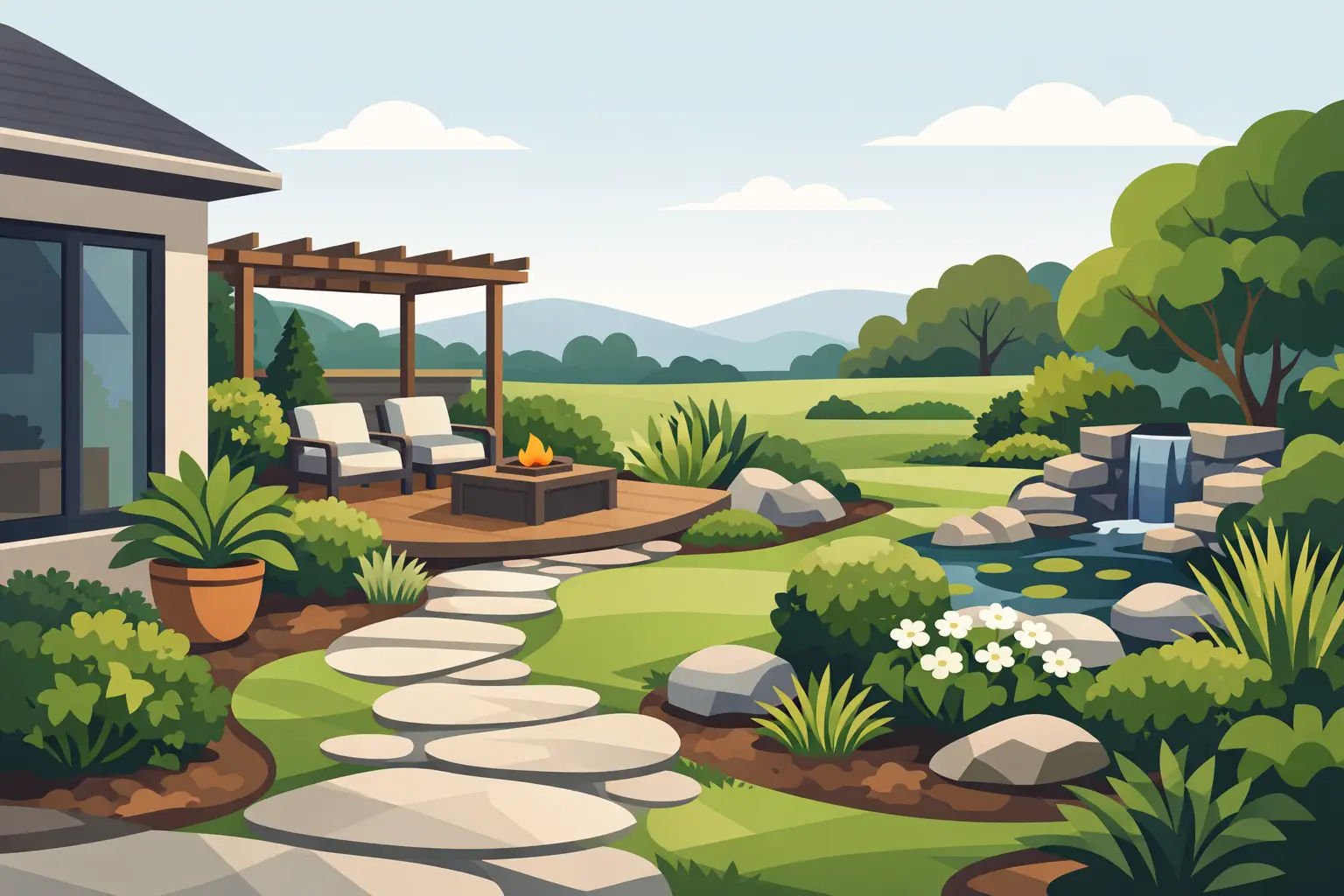
A garden should not feel like another job waiting at the weekend. Thoughtful garden landscaping can turn an uneven lawn, tired patio or awkward side area into a practical extension of your home – somewhere to eat, relax, play and spend more time outdoors.
For homeowners across Stoke-on-Trent, Staffordshire and Cheshire, the best results come from looking beyond individual features. A new patio may look smart, but it needs the right levels, drainage, access and planting around it to work properly for years to come. Planning the whole space first helps avoid costly changes later and creates a garden that feels connected to your property.
Start Garden Landscaping With How You Live
Before choosing paving colours or browsing planting ideas, consider how your household will use the garden. A family with young children may need an open, visible lawn alongside a hard-wearing dining area. A couple who enjoy entertaining may prioritise a larger terrace, outdoor lighting and an easy route from the kitchen. If privacy is the main concern, screening and planting may matter more than the size of the patio.
It is also worth being honest about maintenance. Formal borders, timber structures and large areas of lawn can look excellent, but each needs regular care. If you want a garden that stays presentable with limited upkeep, a simpler layout with durable materials, defined beds and carefully selected planting is usually the better choice.
A useful starting point is to identify the areas your garden needs to provide. These commonly include seating, dining, play space, storage, access, planting and a quieter spot for relaxing. They do not all need to be large, but they should have a clear purpose. When everything is left to happen in one open area, gardens can quickly feel cluttered and underused.
Create a Layout That Connects to the House
The relationship between the house and garden is often what separates a pleasant outdoor space from one that genuinely improves daily life. This matters particularly after an extension, kitchen renovation or open-plan reconfiguration, where new doors, glazing or sightlines can change the way the garden is seen and used.
A patio immediately outside the back door is practical, but its size should suit the furniture and circulation it needs to accommodate. A table may fit on paper, yet still leave little room to pull chairs out or walk around it. As a guide, allow space for people to move comfortably rather than designing to the minimum dimensions.
Paths should follow natural routes. If everyone walks from the driveway to the back door along the same edge of the garden, a properly built path will protect the lawn and make the space easier to use in wet weather. Changes in level deserve equal attention. Steps, retaining walls and raised terraces can bring structure to a sloping garden, but they must be designed and constructed safely, with suitable foundations and drainage.
Think About Views From Indoors
Garden landscaping is not only experienced outside. The view from a kitchen, dining room or living area has a major influence on how the home feels throughout the year. A focal point such as a specimen tree, feature planter, pergola or well-positioned seating area can draw the eye outwards and make even a modest garden appear more considered.
Avoid placing every feature around the perimeter. Bringing a planted bed, small tree or seating zone further into the garden can add depth and create a more welcoming view. The right approach depends on the garden’s shape, its orientation and how much sunlight each area receives.
Get Drainage and Groundwork Right First
Good-looking finishes cannot compensate for poor groundwork. In our local climate, gardens need to cope with regular rainfall as well as periods of dry weather. Water that runs towards the property, pools on a patio or leaves a lawn waterlogged is more than an inconvenience – it can limit how often you use the space and may create longer-term problems.
Patios and paths should be laid to suitable falls, directing surface water away from the house. Drainage channels, soakaways or permeable surfaces may be appropriate, depending on the site and ground conditions. The existing drainage system, soil type and levels all need to be assessed before work begins.
Preparation below the finished surface is just as important. A patio requires the correct sub-base and edging to remain stable. Retaining walls need proper footings. Timber fencing and pergolas require secure posts and durable materials. Cutting corners at this stage may save money initially, but it often leads to movement, standing water, loose paving or early repairs.
Choose Materials for Appearance and Everyday Use
There is no single best material for every garden. Natural stone offers character and can complement period homes, while porcelain paving provides a clean, contemporary appearance and is generally easy to maintain. Concrete paving can offer good value and a broad choice of finishes. Gravel is useful for paths and informal areas, although it may not suit households with prams, wheelchairs or children who regularly play outside.
The decision should be based on more than appearance. Consider slip resistance, maintenance, budget, drainage and how the material will sit alongside the house. A modern porcelain patio can work beautifully with a newer extension, while reclaimed brick edging or warmer stone may be more sympathetic to an older property.
Timber and composite decking can also create an inviting seating area, particularly where the garden has uneven levels. Timber has a natural feel but needs ongoing treatment and care. Composite options typically need less maintenance, though they can become hot in direct sun and may not suit every style of home. A professional discussion about the intended use of the space can help narrow down the right choice.
Use Planting to Soften the Structure
Hard landscaping provides the framework, but planting gives the garden colour, movement and seasonal interest. It can also solve practical issues. Evergreen hedging can improve privacy, ornamental grasses can soften contemporary paving, and small trees can provide welcome shade without overwhelming the space.
For a lower-maintenance garden, use fewer plant varieties in larger groups rather than many individual plants spread thinly around the borders. Repeating colours and textures creates a calmer, more cohesive result. Choose plants according to the position, not simply because they look good at the garden centre. A sunny, dry border needs different planting from a shaded area beneath mature trees.
Do not overlook storage and boundaries. Bins, garden tools and children’s toys can quickly undermine an otherwise tidy garden. Built-in storage, screening panels or a discreet side area can keep essentials close at hand without making them the first thing you see. Fencing, walls and gates should also be included in the overall design, rather than treated as an afterthought.
Plan the Project Around Budget and Priorities
A complete transformation does not always need to happen at once. Where budget is limited, it is often sensible to invest first in the structural elements that are difficult to alter later: drainage, levels, retaining work, main patios and access routes. Planting, decorative features and some furniture can then be added in stages.
What should not be delayed is proper planning. Knowing where future lighting, outdoor sockets, water points or a pergola may go allows the necessary groundwork to be completed at the right time. This avoids lifting newly laid paving to add services later.
Working with one experienced team can make the process far more straightforward, particularly where landscaping follows building work or is part of a wider home improvement project. Woodlyn Construction can help homeowners consider the garden alongside extensions, renovations and structural changes, so the finished result feels like one considered transformation rather than a series of separate jobs.
A well-planned garden should suit your household now while leaving room for life to change. Start with how you want to use the space, build the essential groundwork properly, and choose finishes that you will still be happy to live with in years to come.