
Small Garden Landscaping Ideas UK That Work
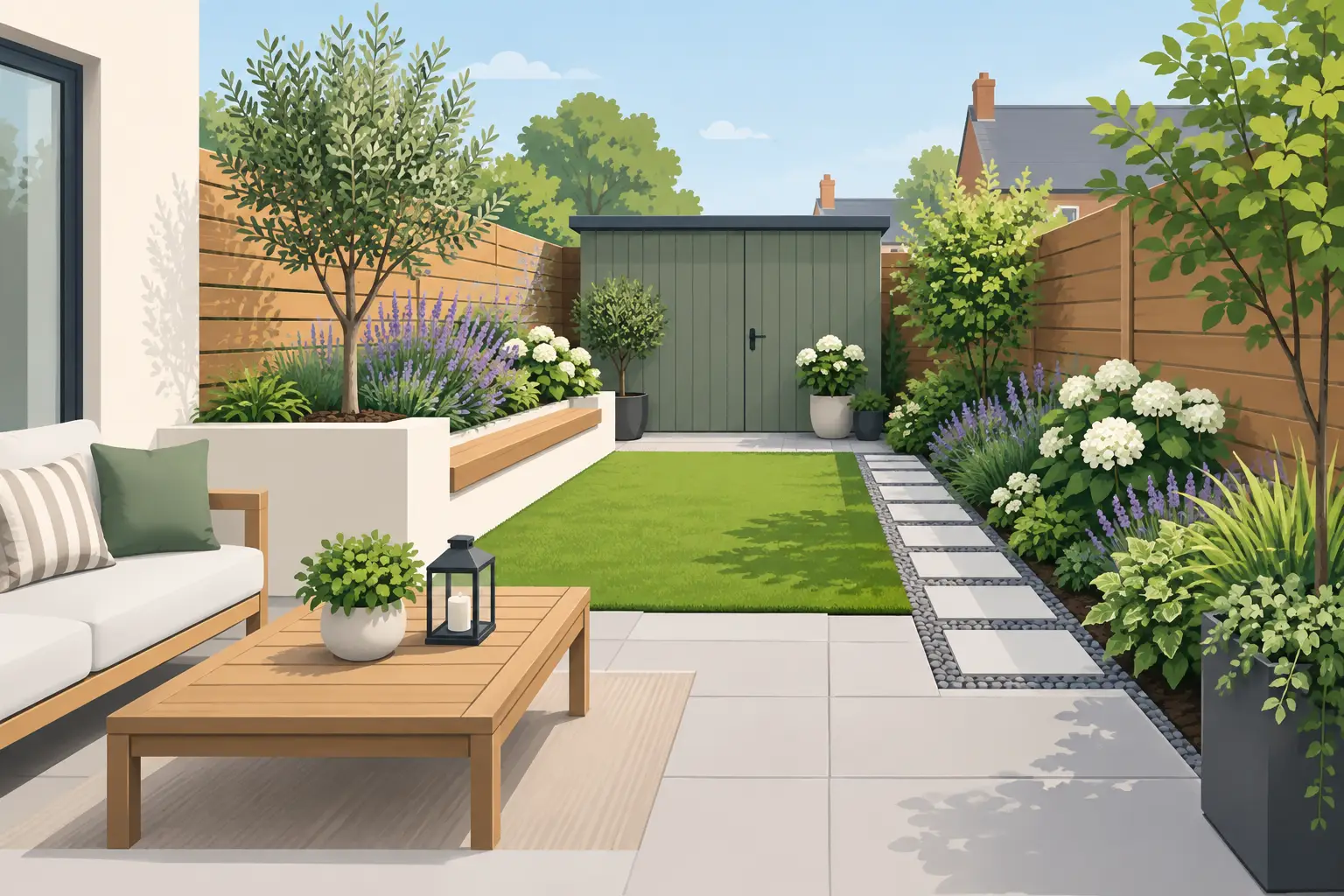
A small garden can feel like an awkward leftover space, particularly when it is narrow, overlooked or dominated by a tired patio. Yet the right layout can turn even a modest plot into somewhere for morning coffee, family meals, planting and proper relaxation. These small garden landscaping ideas UK homeowners can use are designed for real British gardens, with changeable weather, limited privacy and practical maintenance in mind.
The most successful small gardens do not try to fit in everything. They make a few well-chosen features work harder, creating a clear purpose and a sense of space without becoming crowded.
Start with how you want to use the garden
Before choosing paving, plants or fencing, decide what the garden needs to do for your household. A couple may want a peaceful seating area and colourful borders, while a growing family might need durable play space, storage and room to entertain. If you work from home, a garden room or a sheltered corner for a table may be more valuable than a large lawn.
This first decision prevents expensive mistakes. For example, a full patio can make sense for regular entertaining, but it may feel stark if your priority is planting and privacy. Equally, a lawn is pleasant underfoot but can take up valuable room in a compact garden and needs regular care.
Think about views from inside the house too. When a kitchen extension or open-plan living area opens onto the garden, the outside becomes part of the everyday living space. A well-positioned path, planting bed or seating area gives that view a deliberate finish all year round.
Create zones without adding clutter
Dividing a small garden into two or three simple zones makes it feel more purposeful and often larger. The key is to suggest separate areas rather than building solid barriers that cut off light and sightlines.
A patio close to the house is usually the natural place for dining, especially if it connects directly to the kitchen. Further down the garden, a compact bench, bistro set or raised deck can provide a quieter spot. The journey between them matters: a gently curving path, stepping stones or a change in surface gives the eye something to follow.
Use low planting, open slatted screens or a change in level to separate areas subtly. Tall, dense structures can make a narrow garden feel boxed in, whereas partially open features retain a sense of depth. If children need a play area, keep it visible from the house but avoid allowing it to take over every corner.
Make the patio the right size
Patios are often either too small for a table and chairs or so large that the garden loses warmth. Measure furniture before finalising the layout. You need enough space to pull chairs back comfortably and walk around them, not simply enough room to place them.
In a small garden, a square or rectangular paved area is usually easier to furnish than an irregular shape. Large-format porcelain or natural stone can create a clean, contemporary look, but it needs careful installation and sound drainage. Smaller paving can suit period properties and softer cottage-style planting, though too many joints may make a compact area look busy.
Use vertical space to add greenery and privacy
When ground space is limited, walls and fences become some of the most useful parts of the garden. Trellis, climbing plants and wall-mounted planters can soften boundaries without reducing the usable floor area.
Evergreen climbers provide year-round coverage, while flowering varieties bring seasonal colour and scent. Choose plants that suit the light levels rather than forcing a sun-loving climber into a shaded corner. In Staffordshire and Cheshire gardens, where damp conditions and shade are common, good airflow and a sensible planting choice are often more valuable than an ambitious but high-maintenance display.
Vertical planting can also improve privacy from neighbouring windows. However, it is worth checking mature height and spread before planting near boundaries. Fast-growing plants may seem appealing at first, but they can create ongoing pruning work or become a source of disagreement if they overhang next door.
Choose planting with structure, not just colour
A small garden benefits from a limited plant palette. Repeating a few colours and forms creates a calmer, more considered appearance than filling every border with different varieties. Evergreen shrubs, ornamental grasses and structural perennials give the garden shape through winter, while flowering plants provide interest during spring and summer.
Raised beds can be particularly effective where the soil is poor, the garden slopes or you want less bending when gardening. They also create defined edges, which help a compact scheme look organised. Keep them proportionate, though. Very deep beds can quickly eat into a narrow plot.
If maintenance is a concern, favour hardy plants that suit the conditions and group them according to water needs. Gravel mulch, quality edging and sufficient spacing make beds easier to manage. Artificial grass may reduce mowing, but it can retain heat in summer, provides less benefit for wildlife and still needs cleaning. For many households, a small natural lawn or low-maintenance planted area is the better long-term balance.
Small garden landscaping ideas UK homes can rely on year-round
British weather asks a lot of an outdoor space. Good landscaping is not only about how the garden looks on a sunny afternoon. It should deal with rain, frost, muddy shoes and the darker months without becoming unusable.
Drainage should be considered early, particularly when replacing grass or soil with paving. Water needs a safe route away from the property, and a professionally planned fall in the patio is essential. Permeable surfaces, gravel details and planted areas can help manage rainwater while avoiding the appearance of an entirely hard garden.
Lighting extends the use of a small garden and improves safety around steps, paths and changes in level. Avoid flooding every boundary with bright fittings. Softer, well-placed lights around seating, planting and access routes feel more welcoming and are less intrusive for neighbours. Warm lighting is generally more comfortable for an evening garden than harsh white light.
Storage also deserves a place in the plan. A slimline shed, built-in bench with storage or screened bin area can keep tools, cushions and children’s outdoor equipment out of sight. Without storage, even a carefully designed garden can soon feel untidy.
Use levels carefully on a sloping garden
A slope can look challenging, but it can create character when handled properly. Terracing a garden into modest levels may provide a level dining area near the house and a raised planting or seating space further away. Retaining walls, steps and drainage must be designed and built correctly, particularly where significant changes in height are involved.
The trade-off is cost. Structural landscaping is more involved than simply laying a patio, and poor work can lead to movement, standing water or damaged boundaries. This is an area where experienced planning and workmanship protect both the look of the garden and the property itself.
For gentler slopes, wide steps, planted banks and carefully placed edging may be enough. Keeping the design simple is usually more effective than trying to introduce several different levels into a very small area.
Bring the garden closer to the house
The strongest landscaping schemes make the transition from indoors to outdoors feel natural. Repeating a material, colour or planting tone used inside can help connect a kitchen, extension or patio doors with the garden beyond. It does not need to be an exact match. The aim is for the space to feel intentional rather than separate.
Consider practical details at the threshold: a level change, drainage channel, door opening direction and enough room for furniture. These are easy to overlook when concentrating on finishes, but they have a major effect on how comfortably the garden works every day.
For homeowners planning wider improvement works, coordinating landscaping with an extension, renovation or new patio can avoid having to lift finished surfaces later. Woodlyn Construction can manage this joined-up approach, helping ensure the external space complements the home transformation rather than becoming an afterthought.
A small garden does not need grand features to feel special. Give it a clear purpose, leave room for planting and movement, and invest in the details that make it pleasant to use in every season. The best result is a garden that feels like a natural extra room for your home, not a space you only notice through the window.